Peptide Launch Qc Screening Solutions Bio-synthesis
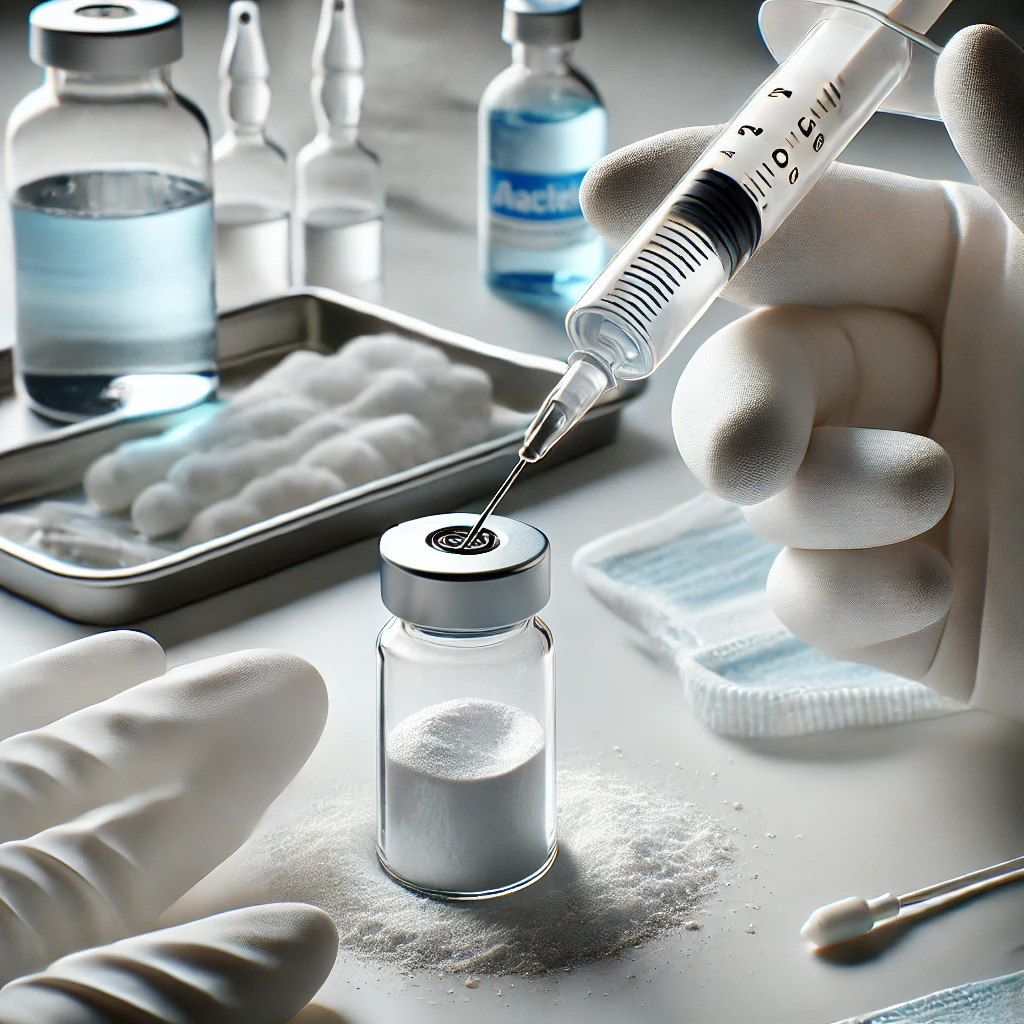

- Peptide testing is the logical process made use of to validate that a study peptide is both pure and correctly identified.
- This is particularly relevant for injectable peptides where the administration course bypasses typical safety obstacles.
- When a peptide is 98% pure, that remaining 2% isn't arbitrary noise-- it specifies, identifiable kinds of by-products.
- HPLC separates the target peptide from pollutants, measuring pureness.
Net Peptide Material-- The "Absent Mass"
Scientists usually examine pureness together with other high quality metrics rather than counting exclusively on a single percentage. If necessary, we will certainly give you with an efficient one-stop solutions. Methods differ by sequence, length, alterations (tags, linkers, non‑natural AAs), and planned usage. Panel make-up and deliverables are specified by peptide kind, alterations, meant usage, and your specs. A deletion peptide missing a single deposit could still bind to the exact same receptor, but with various affinity or selectivity. Oxidized variations may behave as partial agonists or villains. These logical techniques are conventional in peptide quality control and you will certainly generally receive HPLC and MS data with a research study peptide order. The main analytical methods for peptides include fluid chromatography (LC), typically HPLC, combined with mass spectrometry (MS) for precise molecular weight determination and series recognition. Various other methods like electrophoresis, capillary electrophoresis (CE), and nuclear magnetic vibration (NMR) can also be used to evaluate peptide structure, cost, and pureness, guaranteeing detailed characterization. Peptides are checked with a combination of techniques, including HPLC for pureness, mass spectrometry (MS) for series confirmation, and nuclear magnetic resonance (NMR) for architectural analysis. For a 10-residue peptide with 99.5% combining performance, you 'd expect regarding 95% of the end product to be the full-length series before purification. For a 30-residue peptide at the same efficiency, that goes down to roughly 86%. This is why longer peptides are more challenging to generate at high purity and generally cost even more. Navigating the landscape of where to acquire research study peptides online calls for a focus on logical transparency and production roughness. While many platforms function as easy representatives, one of the most reputable entities preserve direct oversight of their synthesis and purification pipes. Whether you are conducting preliminary in vitro displays or complex molecular modeling, choosing a supplier with validated logical criteria is paramount for reproducible outcomes. This is why peptides are typically supplied at different pureness grades. Very closely connected to truncations, deletion peptides are unabridged chains that are missing out on one amino acid somewhere between. If capping isn't perfectly effective, an uncoupled chain can remain to elongate in subsequent actions, creating a peptide that's just one residue except the target. These can be especially problematic because their chromatographic habits is really comparable to the target peptide, making them more challenging to divide throughout filtration.Where can I send my peptides to test for pureness?
ACS Peptide Testing Labs is an expert peptide evaluation lab that accepts examples from all 50 states. Whether you require to test peptide pureness, verify a supplier''s Certification of Analysis, or run extensive pollutant testing, our lab gives quickly, exact outcomes with https://jasperqheq494.novacrestiq.com/posts/research-peptides-vs-pharmacy-compounded-peptides-whats-the-real-difference in-depth coverage.