Chemical & Physical Peptide Analysis
Peptide Purity Guide 98%, 99% & Research-grade Explained Prg
Precise determination of the pI via capillary isoelectric focusing (cIEF) aids in peptide characterization and is important for applications where peptide cost influences feature and stability. We help distinguish chromatographic purity from actual peptide quantity so clients can prepare solutions and contrast lots with greater confidence. We pick techniques according to peptide length, hydrophobicity, charge account, and modification status instead of requiring every sample right into one layout.This degree of detailed evaluation makes certain the peptide's accuracy-- suggesting the sequence and purity are specifically as identified-- which is essential for speculative reproducibility. By verifying structure via several verified approaches, lab validation warranties that researchers get a high-purity peptide that will execute as anticipated in the laboratory. Lab validation of peptides is not just a clinical best method-- it's usually a regulatory demand when peptides are utilized in restorative growth or medical research.
Research Study Uses Peptide Chemical & Physical Analyses
- William is a research study expert at Peptides Laboratory UK, specialising in research study peptides, research laboratory compounds, and sourcing requirements for high-purity peptide products.
- If a peptide is re-tested after storage stress, HPLC can expose whether new impurity tops have shown up or whether the major optimal location has actually decreased.
- With years of logical testing experience and progressed tool platforms, BOC Sciences gives comprehensive peptide high quality testing solutions throughout the whole procedure from raw materials to formulas.
- One of one of the most common resources of complication in peptide projects is using different quality terms as if they mean the same thing.
- Numerous reliable research study peptide suppliers use third-party labs; some conduct in-house testing with magazine of research laboratory credentials.
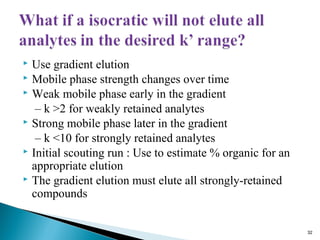
The liquified peptide example is injected right into a stream of fluid solvent (the mobile stage) that flows via a tube loaded with little particles (the stationary stage). Different particles "stick" to those bits with various strengths, so they take a trip through the column at different speeds. Subtle distinctions in basic material pureness and structure can lead to disparities in the activity of the final product.
Added Logical Tests On Top Quality Coas
In theory, peptide pureness is quantified by the chromatogram created by reversed stage HPLC, and furthermore, we can acquire the number and loved one amount of feasible byproducts by determining the peak area. A high-quality chromatogram has a single, symmetrical main optimal with a level standard on either side. " Tailing"-- where the optimal tracks off gradually on one side-- can indicate column troubles, example overloading, or second interactions in between the peptide and the fixed stage. In this configuration, the stationary phase is hydrophobic (water-repelling), commonly C18-bonded silica. The mobile phase is a slope of water and an organic solvent like acetonitrile, frequently with a small amount of trifluoroacetic acid (TFA) to hone the peaks.
What The Pollutants Actually Are
Significantly, this pureness number is commonly identified after filtration (e.g. by HPLC) and concentrates on peptide contaminations-- it does not count residual water, salts, or counter-ions in the dried peptide powder. Simply put, the pureness portion has to do with the make-up of peptide species in the sample, not the weight payment of water or salts. A peptide might be 98% pure (indicating really few peptide contaminations) yet still have some water or trifluoroacetate salt; those non-peptide elements would certainly be shown in the net peptide material as opposed to the pureness percentage. At Creative Peptides, we give personalized peptide chemical and physical analyses for study teams that need reputable data on peptide identification, pureness, make-up, solution actions, and example quality. Our solution sustains synthetic, changed, cyclic, conjugated, and hard peptide examples with logical operations developed around the actual job question rather than a taken care of default panel.